

cultivating a cosmic elegance
Ayurveda offers a spectrum of healthy lifestyle guidelines to help you embody physical strength, mental clarity, and connection to your inner spirit. Through gentle self-exploration, you discover wisdom within. Finding balance amidst life's challenges is where true grace lies, and it's the heart of a well-designed life. By prioritizing your well-being, you invest in your greatest treasure. Weave ancient practices that have stood the test of time into your daily story. Witness the blossoming of contentment, sharper intuition, and joyful experiences as you set the intention to give your health and well-being your warmest embrace.

“Ayurveda gives us the tools to lift the limitations of our minds and enter into the realm of unlimited potential.”
-Dr. Marc Halpern, Founder, California College of Ayurveda

To truly appreciate Ayurveda, it's helpful to touch upon its philosophical roots in Sankhya, one of the oldest schools of Indian philosophy. Sankhya provides a framework for understanding the creation of the universe and our place within it. Two fundamental principles in Sankhya are Purusha, representing pure consciousness, and Prakriti, representing the primordial, unmanifested matter. From the interaction of Purusha and Prakriti arise the five fundamental elements, known as the Panchamahabhutas: Ether/Space (Akasha), Air (Vayu), Fire (Agni), Water (Jala), and Earth (Prithvi).
These aren't just abstract concepts; they are the building blocks of everything in the universe, including our own physical and energetic bodies.




The 5 Elements
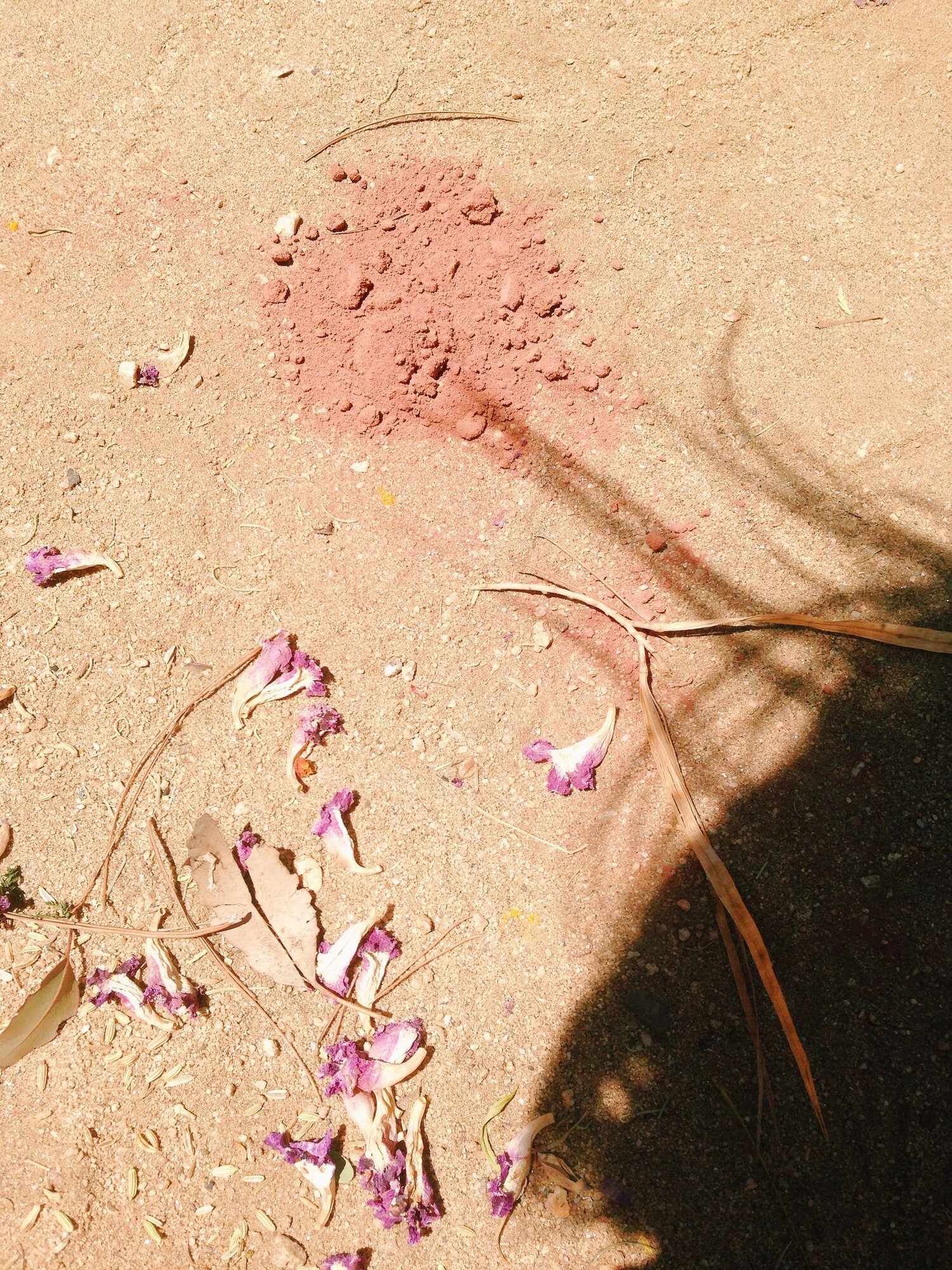
The sanskrit word Panchamahabhuta translates into “the five great elements”- the building blocks that make up all of life:
earth,water,fire, air and space.
Every individual is born with these 5 ‘Panchamahabhutas’.
By observing manifestations of the elements in the body and mind, you can understand more about your inner world, and nourish your individual constitution accordingly.

Nourishing Yourself with the Seasons: An Ayurvedic Perspective
Ayurveda recognizes three fundamental energies within each of us: Vata, Pitta, and Kapha. These energies are influenced by the natural rhythms of the seasons. By aligning our diet with the seasonal shifts, we can support our body's natural balance and enhance our overall well-being.
Vata Season (Late Fall & Winter): During these cooler months, Vata energy tends to increase, leading to dryness, coldness, and instability. Nourishing foods like sweet potatoes, beets, and citrus fruits provide warmth and grounding, counteracting Vata's tendency towards imbalance. Warming spices like cinnamon and ginger further support digestion and circulation.
Pitta Season (Summer): The hot summer months can aggravate Pitta, leading to increased heat, inflammation, and irritability. Cooling and hydrating foods like cucumbers, melons, and leafy greens help to pacify Pitta, keeping us cool and refreshed.
Kapha Season (Spring & Early Winter): As the weather transitions, Kapha energy can become more prominent, leading to heaviness, sluggishness, and congestion. Light and pungent foods like berries, radishes, and leafy greens help to clear and balance Kapha, promoting lightness and vitality.
Healing Through Seasonal Eating:
Ayurveda views food as medicine. By incorporating seasonal produce into our diets, we can support our body's natural detoxification processes and enhance our overall health. Seasonal foods are not only more readily available but also contain the highest concentration of nutrients, providing optimal support for our bodies during each phase of the year.


Vata dosha is the Ayurvedic mind-body element associated with air and space. It’s light, cool, and dry in nature, and it governs all movement and processes in your mind and body—including processes like blood flow, elimination, breathing, and the movement of thoughts in your mind.
Pitta dosha is the Ayurvedic mind-body element associated with fire and water. It’s hot, sharp, and transformative in nature, and it governs all digestion, metabolism, and energy production in your mind and body—it controls how to digest foods, how to metabolize sensory perceptions and how to understand the difference between right and wrong. Pitta controls the essential digestive “Agni” or fire of the body in your mind.
Kapha dosha is the Ayurvedic mind-body element associated with earth and water. It’s heavy, stable, sweet, and slow in nature, and it governs all stabilization & formation of structures and lubrication in your mind and body—including holding the cells together and forming the muscle, fat, bone, and sinew. The primary function of Kapha is protection.
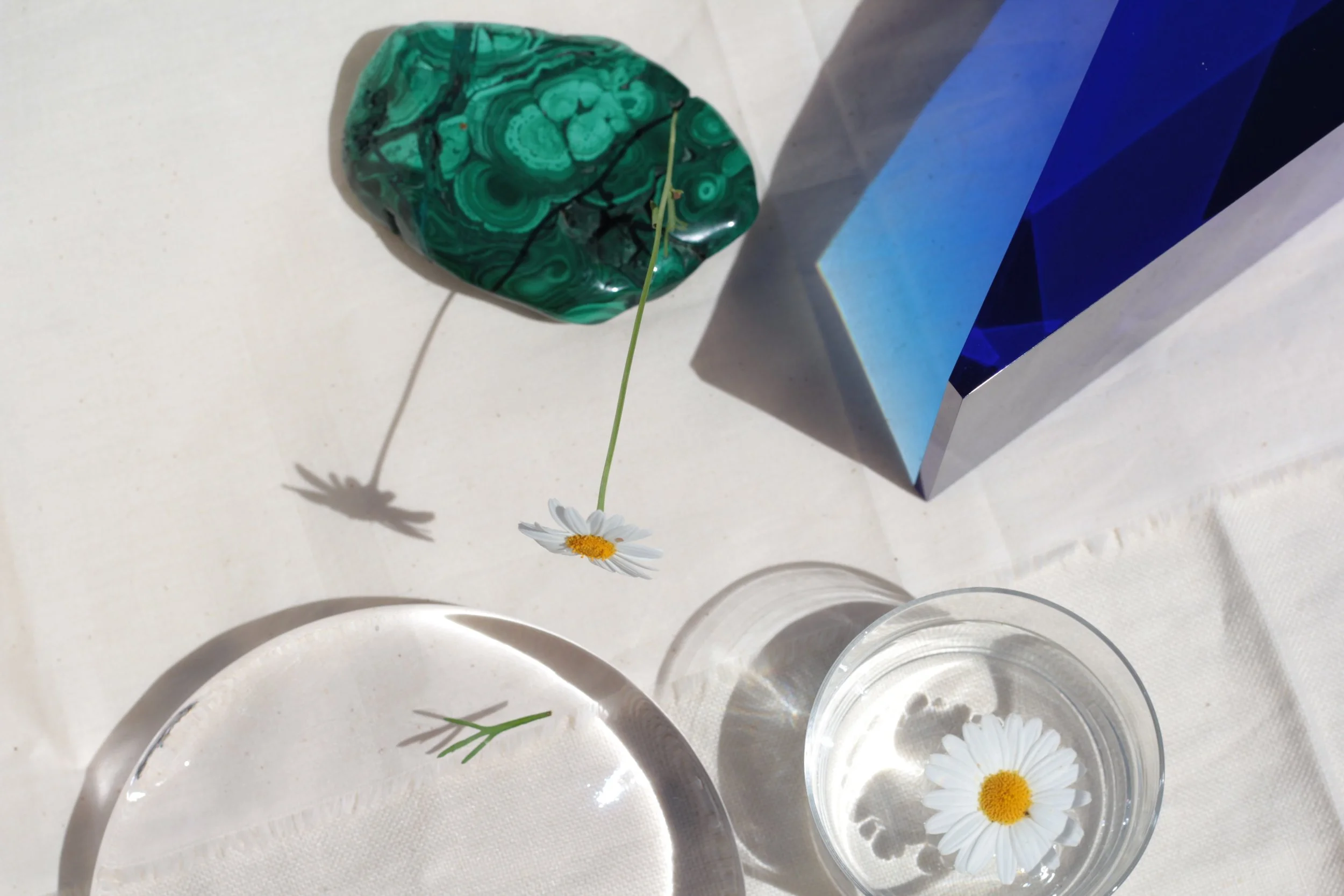
Come To Your Wild Senses
Come To Your Wild Senses


everything is medicine
Press pause. Feel the presence of the Earth to connect back to the Self.
We live in a world of matter.
Etymologically speaking, the origin of the word is rooted in the concept of Mother.
mat·ter /ˈmadər/ Latin: mater (mother); materia (substance)
According to the wisdom found in many spiritual traditions, Everything is alive, from the soil to your computer. Each being has a consciousness.
Several years back, I wrote an album with my music project, titled “Come To Your Wild Senses“. What was meant by that was to send out an urgent call to all humanity to ground and honor oneself by remembering our place in the cosmology that we exist in.
To return to the flow as a member of the galactic society of all sentient beings. To uphold yourself as an elegant member of the cosmos and act with compassion, integrity, and authenticity, of which foster a sense of justice and a churning of social activism to do what is right, what is fair.
And to celebrate ourselves as radically and blissfully unique amongst our Universal family. It seems like now is more pressing time than ever to adjust our attitudes, consumption, and lifestyles to have a gentler footprint on our planet.
Embodiment of all of our senses is a gift you can continue to refine over time, over many lifetimes. Sometimes feeling comfortable in your own skin just requires a little bit more self reflection, and ayurveda gives us the tools to arrive and show up to life as we are, and recognize our truth with honesty, so that we can fulfill our dharma or, our soul’s purpose. For me, acknowledging the tools of ayurveda have reminded me of my own strength to access the ability to mother myself by returning to earth’s landscapes and inhabitants as a source of healing and peace. As you grow into a self healer, you recognize that everything is medicine meant to heal your body and evolve your soul if you shift your perspective with mētta, or, loving kindness.
If you find yourself feeling overwhelmed, take a beat to pull your perspective back by breathing in and stepping into wild realms. Trees, hummingbirds, the ocean, caves, crystals, and blades of grass are inhaling and exhaling along with you. These are all part of your harmonized self.
Take breaks throughout your day to hug your pet, count ladybugs, perform a short self-massage with nourishing oils intended to balance your individual constitution, and hydrate. According to ayurveda, all impressions you surround yourself with and consume will have an effect on your mind and body. The quality of these impressions can raise or lower your “vibration”, as we call it, known in the vedic texts as “Prana” or, your ultimate life force. Practice bringing positive sensory experience into your life on a regular basis: view art, go for a long hike, listen to a guided meditation, and eat nourishing foods.
If you find yourself anxious after a meeting or while trying to reach a deadline, make a practice of setting an alarm on your phone that says
“remember your true nature as a divine cosmic being.”
Gently add one or two of these practices into your daily routine to bring calm, balance, and to counteract the questionable chaotic side effects brought to our world via screens and media.
Earth is a shoulder to cry on. Allow your tears, worries, grief, and trauma to flow deeply into her.
Release and rejuvenate,
all is well.
“remember your true nature as a divine cosmic being.”
“remember your true nature as a divine cosmic being.”
‘Yogas Chitta Vrittis Nirodha’

YOGA = to join, to unite; CHITTA = consciousness
VRITTI = fluctuations; NIRODAH = quieting of
Simply translated as ‘The practice of Yoga is calming or stilling the mind chatter’

“Yoga is the calming of the fluctuations of the mind in order to find unity within. When we are able to calm our own mental talk and find a sense of ease, we begin to unite our small ‘s’ self with our large ‘S’ self. This unity comes by bringing mind, body and heart into harmony. Yoga is both the result of this practice and the mind training that brings us into the joy of being fully present in this moment.”
— Susanna Barkataki

PRANAYAMA
Pranayama = vital breathwork techniques
Once we determine your Prakriti + Vikruti, I will work with you to guide you in gentle breathwork techniques known as Pranayam that will supplement your protocol and nourish you deeply.
I came up with this acronym to remind you to
Breathe into your Self:
B.e
R.eminded
E.very
A.ction
T.ruthfully
H.onors
E.mbodiment
Into your
S.ustainable
E.volving
L.ove
F.requency

MANTRA
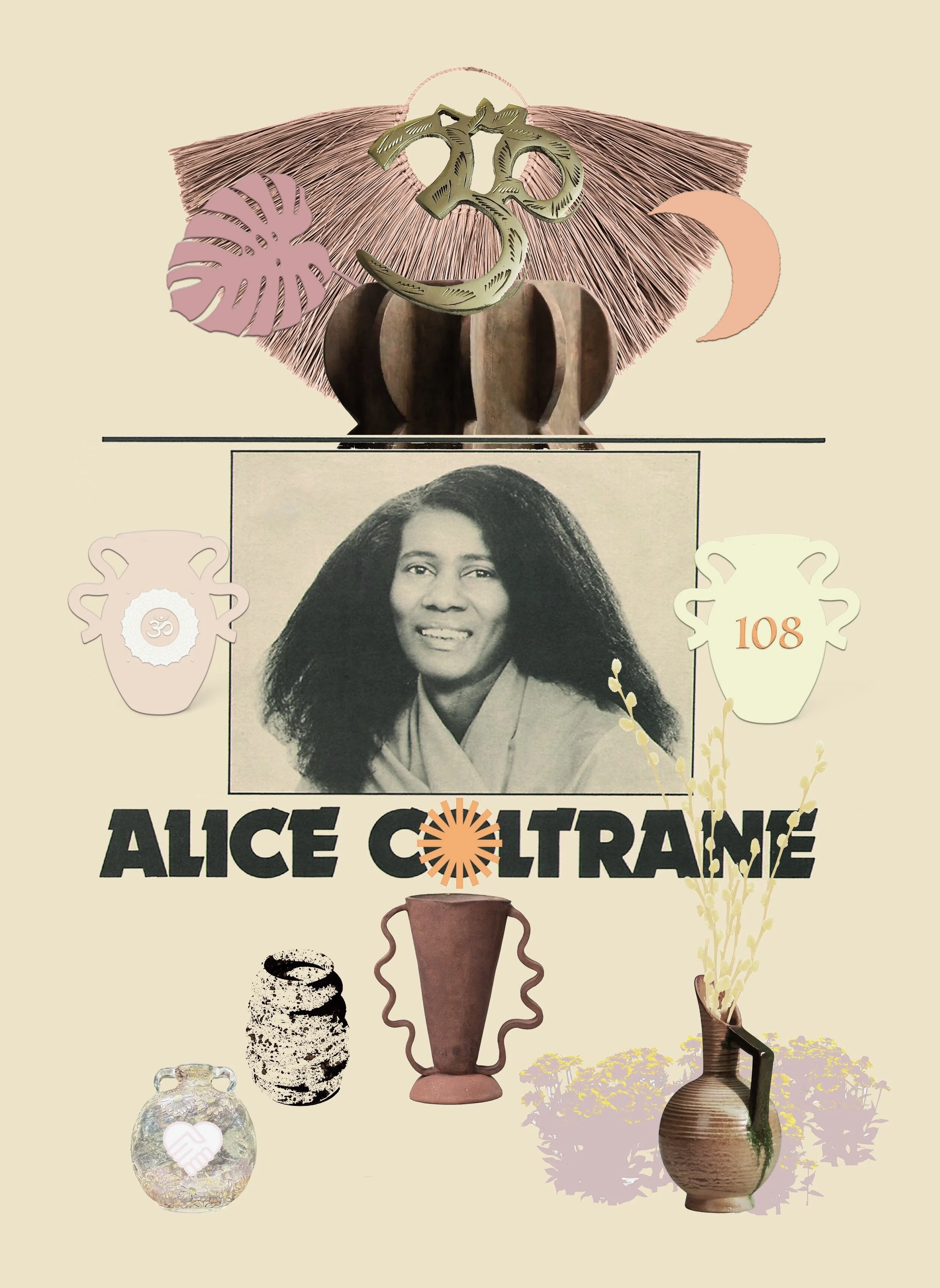
A Powerful + Protective Practice
to open, nourish, cleanse, connect
using the voice or in silence.
ॐHave you ever had the experience of hearing a sound simultaneously so powerful and so nurturing, that it resonated deep beyond your rib cage and your blood vessels and moved you in what feels like your soul? As a musician, music lover, and dancer, I have had that feeling while playing my drums, dancing to deep house music at the club, as well as while standing near, or if I am lucky, underneath a waterfall.
In the ancient Vedic texts, there is a beautiful explanation of the way all life came to originate. It is called “OM”
It is said that life as we know it, all came from this “primordial sound”. This sound is almost impossible to explain or translate, but some poetic descriptions of it are,
The Soul Within Itself- Universal Consciousness- Source- The Sacred Sound Of Spiritual Awakening-The Sound Of God-A Sound Which Includes All That Has Happened And All That Is To Happen-The Eternal Sound-The Sound Which Created All Other Sounds-Wind, Fire and the Sun, as well as the Past, Present and Future
ॐ
Purnam-Wholeness. The Vedic Peace Mantra.
We are part of the divine, we are no less than the divine. Everyone is a microcosm within ourselves, part of the whole, complete and divine. We are wholeness.
OM Purnamadah Purnamidam
Purnat Purnamudachyate
Purnasya Purnamadaya
Purnamevavashishyate
OM Purnamadah Purnamidam
Purnat Purnamudachyate
Purnasya Purnamadaya
Purnamevavashishyate
OM Purnamadah Purnamidam
Purnat Purnamudachyate
Purnasya Purnamadaya
Purnamevavashishyate
OM Shanti Shanti Shantihi
English translation:
OM Purnamadah Purnamidam: That is the whole.
Purnat Purnamudachyate: This is the whole.
Purnasya Purnamadaya: From wholeness emerges wholeness.
Purnamevavashishyate: Wholeness coming from wholeness, Wholeness still remains.
OM Shanti Shanti Shantihi: Peace in my heart, peace with each other, peace in the cosmos.

We chant OM to open and close the day, to begin and end a practice, to still the mind before a meal; allowing us to open to the present moment and take in the Prana- breath of life- before we attempt all action.
Chanting OM in these moments brings a circle to a close, and opens the loop of infinity at the same time.
OM grounds, blesses, and connects us to the reality of life eternal.